Weaning a baby with reflux
For those of you who have been following me on Instagram for a while, you’ll know that my daughter Ada was diagnosed with reflux by our GP early on in her life. Unfortunately, after trying everything else, we had to put her on medication, which made a real difference. Luckily, at around 5 months of age, we successfully weaned her off the medication as her reflux symptoms began to improve. I know this isn’t the case for many babies with reflux, so I wanted to share some evidence-based advice on how to wean a baby with reflux, for any parents about to start this journey themselves.
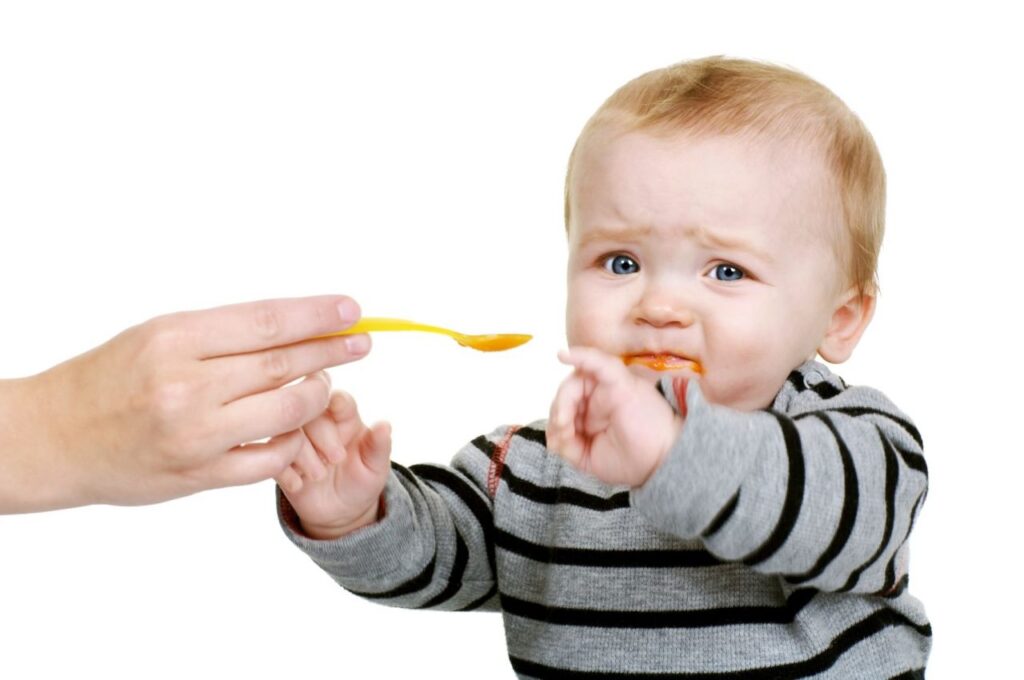
Should you start solids early for a reflux baby?
Because Ada’s symptoms had improved before we started weaning at 6 months, we didn’t run into major issues with her reflux flaring up. However, many parents ask me: “Should I wean my reflux baby early?” or “Are there specific foods I should avoid?” Others have mentioned that cutting out certain foods seemed to help their baby’s symptoms.
To break down the evidence behind weaning a baby with reflux, I enlisted the help of Charlotte Ockleton (Dietitian Lottie), a paediatric dietitian who works with reflux babies every day.
Guidelines on weaning with reflux
Current UK guidelines recommend starting complementary foods from around 6 months of age, and not before 4 months (17 weeks).
If solids are introduced before 6 months, ensure your baby is developmentally ready. This is crucial for their safety, overall development, and nutritional needs. Starting solids too early can increase the risk of infections and lead to nutritional imbalances.
When it comes to reflux specifically, here is what the evidence shows:
If your baby already receives thickened milk, its consistency is often very similar to first purées anyway!
Currently, there is no robust scientific evidence to support introd
ucing solids before 6 months to relieve reflux symptoms.Prescribed milk thickeners help milk stay down because of their consistency. Some believe starting solids helps because purees are thicker than milk. However, in the first few weeks of weaning, babies usually only eat tiny amounts for exploration, so milk remains their primary source of nutrition.
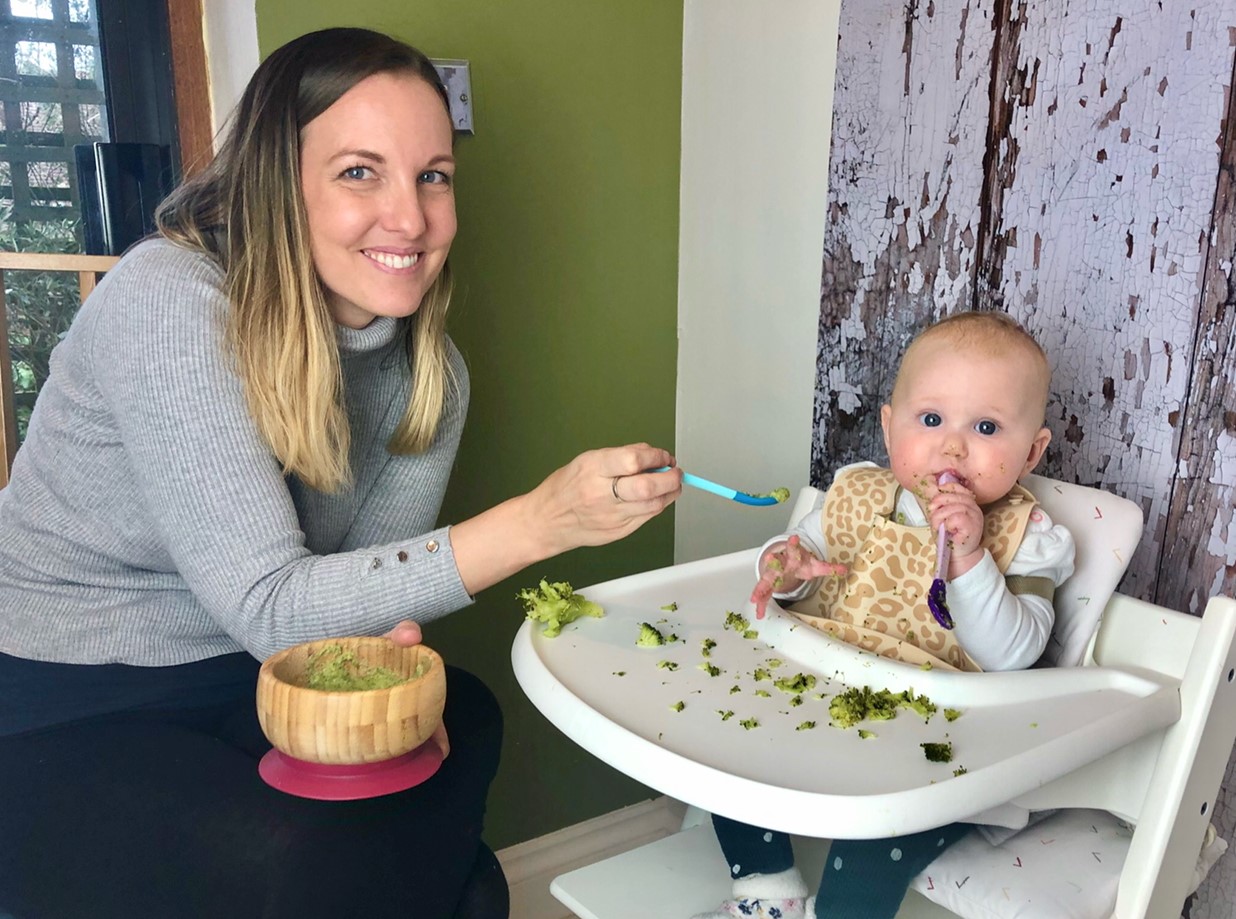
Can starting solids make reflux worse?
Introducing solid foods introduces new variables into your baby’s digestive system. While some paren
ts find their baby’s reflux improves once solids start, others notice certain foods cause symptom flare-ups.- There is no single list of foods that trigger reflux in every baby. It varies entirely from child to child.
- Tracking what your baby eats alongside any symptoms is the best way to spot potential triggers without unnecessarily restricting their diet.
5 top tips for weaning a baby with reflux
- Ignore the early weaning myths: Wait for your baby to show the 3 main signs of developmental readiness (sitting upright, hand-eye coordination, and swallowing food), just as you would for a baby without reflux. Seek advice from your Health Visitor or GP if you’re unsure.
- Set realistic expectations: Remember there is no guarantee that starting solid foods will reduce reflux symptoms.
- Keep a food & symptom diary: Note down new foods and any changes in comfort or regurgitation so you can identify genuine patterns.
- Create a calm mealtime environment: Try to stay relaxed at mealtimes! Babies pick up on stress, and a positive, low-pressure atmosphere encourages happier eating.
- Avoid changing too many variables at once: If you alter their milk formula, adjust milk thickener, or attempt to stop reflux medication at the same time as introducing solids, it will be impossible to tell what is making symptoms better or worse. Always consult your GP or paediatrician before changing medication.
Weaning a baby with reflux can feel daunting, but taking things step by step and focusing on low-pressure exploration makes a huge difference. A big thank you to Dietitian Lottie for contributing her expert insight to this post!