
Why it happens and how to manage it
Food refusal in babies is something we get asked about quite a lot. It can feel really disheartening when you’ve lovingly prepared a meal for your little one, only for them to suddenly refuse to eat it.
We’ve previously shared advice on baby portion sizes, responsive feeding, and spotting signs that your baby is full. Ultimately, if your baby is getting upset, crying, turning their head away, or clamping their mouth shut, these are clear signs that they’ve had enough or don’t want to eat. Respecting these cues is a crucial part of building a positive relationship with food!

Is food refusal in babies normal?
Firstly, please rest assured that it is very normal for babies to go through phases of rejecting or refusing food.
In our experience, young babies usually fall into one of two common patterns during weaning:
- Slow starters: They take a little time to accept solid foods and get used to eating.
- Eager starters who hit a dip: They take to solids brilliantly at first, but then around 8 to 11 months, they suddenly decide they aren’t keen and start turning their nose up.
It is entirely normal for babies to go at their own pace while learning to eat. It is also common for a baby who loved a particular ingredient to suddenly go off it, or even refuse meals altogether for a few days. Try not to panic, this is often a very typical part of weaning development.
If you feel like your baby is having a bit of a slow start to weaning, check out my factsheet.
For more guidance around portion sizes during weaning, and recognising signs of hunger and fullness, head to our blogs.
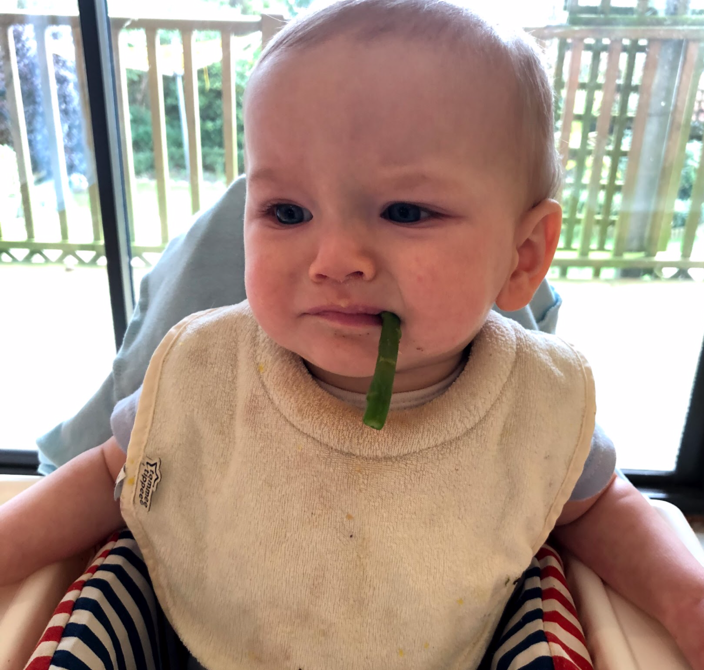
What to check when your baby starts refusing food
If your baby suddenly sta
rts turning down meals, we always recommend checking a few key factors first:- Are they under the weather? Could teething, a cold, or an upset stomach be making mealtimes uncomfortable? You can read more about feeding a teething baby or feeding a sick child here.
- Is it a brief dip? If food refusal only happens over one or two mealtimes, it may simply mean your baby is tired or distracted. Look at whether the behaviour persists over a week or so before worrying.
- Are they filling up on milk? If milk feeds are given right before solid meals, or offered as a direct replacement when food is refused, your baby may simply be too full for solids. Milk is a food in itself and fills up tiny tummies quickly. For more advice around milk intakes in babies, check out my blog.
5 practical tips to handle baby food refusal
If your little one was eating well and has suddenly started refusing food, these simple steps can help get mealtimes back on track:
1. Stick to your normal routine
Try to keep mealtimes predictable. Constantly altering your routine or catering to every refusal can inadvertently make mealtime stress a longer-term issue. Predictable mealtime routines can make a big difference to helping children know when to expect food and what to expect at mealtimes.
2. Keep mealtimes relaxed
While it’s easier said than done, taking a deep breath and staying calm helps enormously. Remind yourself that food refusal is usually just a brief phase.
3. Role model enjoying food
Eat together whenever possible! Let your baby see you eating and enjoying your food. Watching family members eat is one of the best ways babies learn to trust new textures and flavours.
4. Avoid pressure or coaxing
Pressuring, coaxing, or forcing a baby to take a bite often backfires and increases mealtime anxiety. Instead, keep the environment calm, encourage gentle food play, sit back, and focus on enjoying your own meal. Lowering expectations gives babies the space they need to feel comfortable eating again.
5. Keep offering refused foods
One of the most common mistakes we see parents make is permanently removing a food as soon as baby turns their nose up. Getting babies to accept food relies on repeated exposure. Keep serving small portions of rejected foods alongside familiar favourites, without forcing them to eat it.
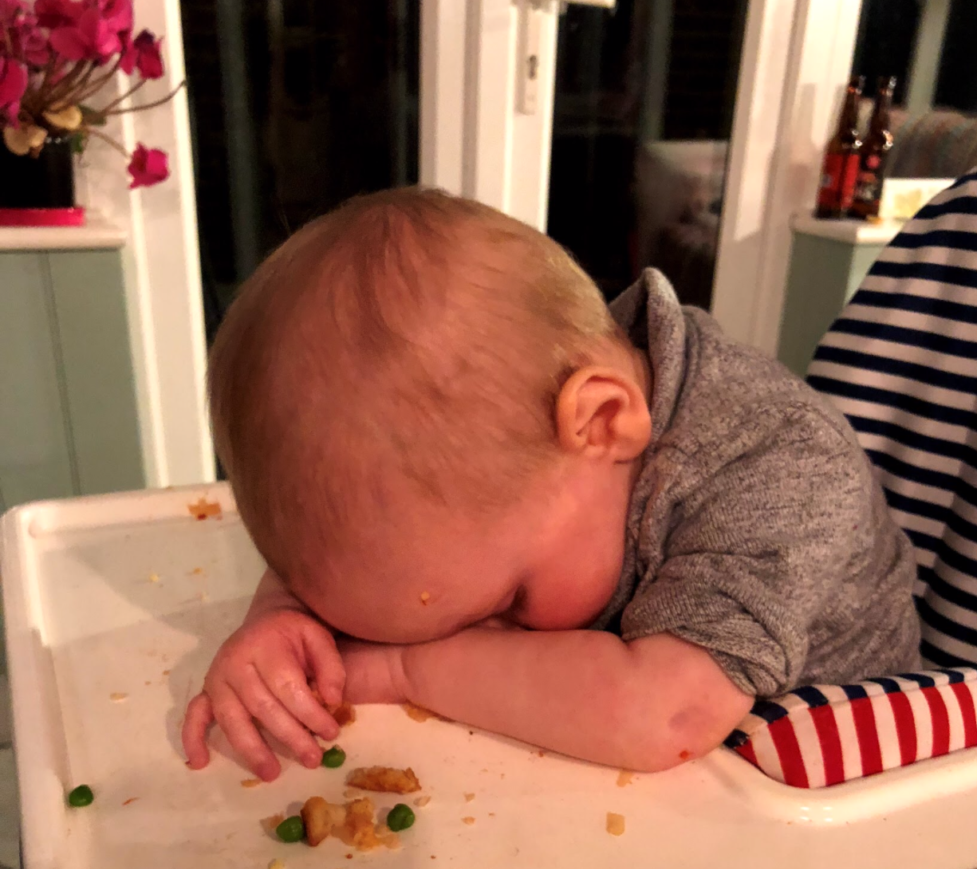
Why repeated exposure works – real-life examples
Persisting with rejected foods really does work over time. Here are two examples from Charlotte’s own journey with her son:
- Broccoli was one of Raffy’s very first foods, and he loved it initially. Then one day, he started refusing it point-blank! Because we eat broccoli regularly at home, we kept serving it a few times a week without fuss and simply ate what he left. After several weeks, he started eating it again, and it remains a favourite to this day.
- When we first introduced scrambled eggs, Raffy really disliked them. Because eggs are so quick, versatile, and nutritious, we persevered and kept offering them in different ways, but always without pressure for him to eat it. Over time, eggs became another staple he thoroughly enjoys.
It would have been easy to stop offering broccoli and eggs altogether. However, patient, pressure-free exposure made all the difference.
Raising a confident eater
Research shows that offering a wide variety of flavours and textures during early weaning helps encourage broader food acceptance as children grow older. While it won’t completely prevent normal toddler fussiness, keeping your baby’s diet varied and keeping mealtimes calm gives them the best possible foundation.
If you are ever concerned about food refusal in babies, your baby’s growth, weigh
t, or overall health, always seek advice from your Health Visitor or GP.For more tips on feeding your baby with confidence, food refusal in babies as well as plenty of family-friendly recipes, grab your copy of How To Wean Your Baby.